Gold Label CBD Oil
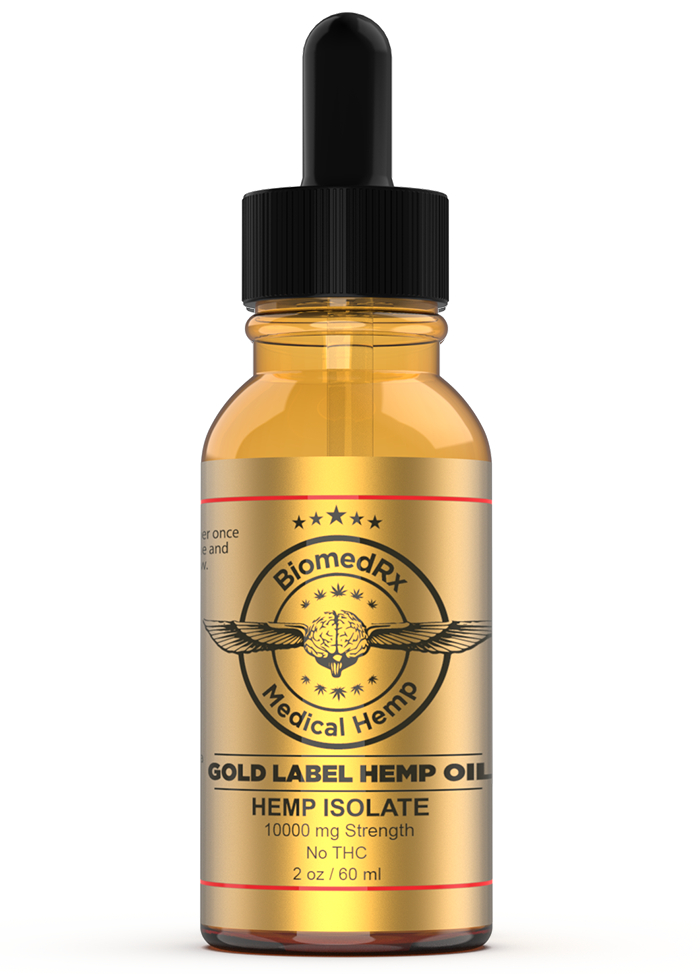
10,000mg Strength
Our highest-potency Isolate and Broad-Spectrum oil. 2 ounce bottle.
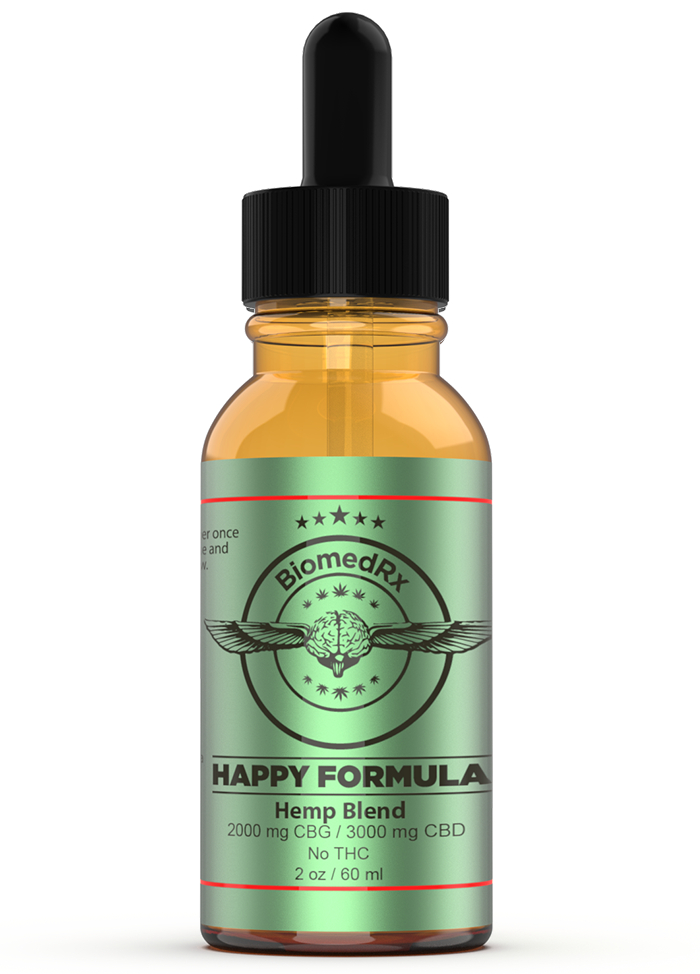
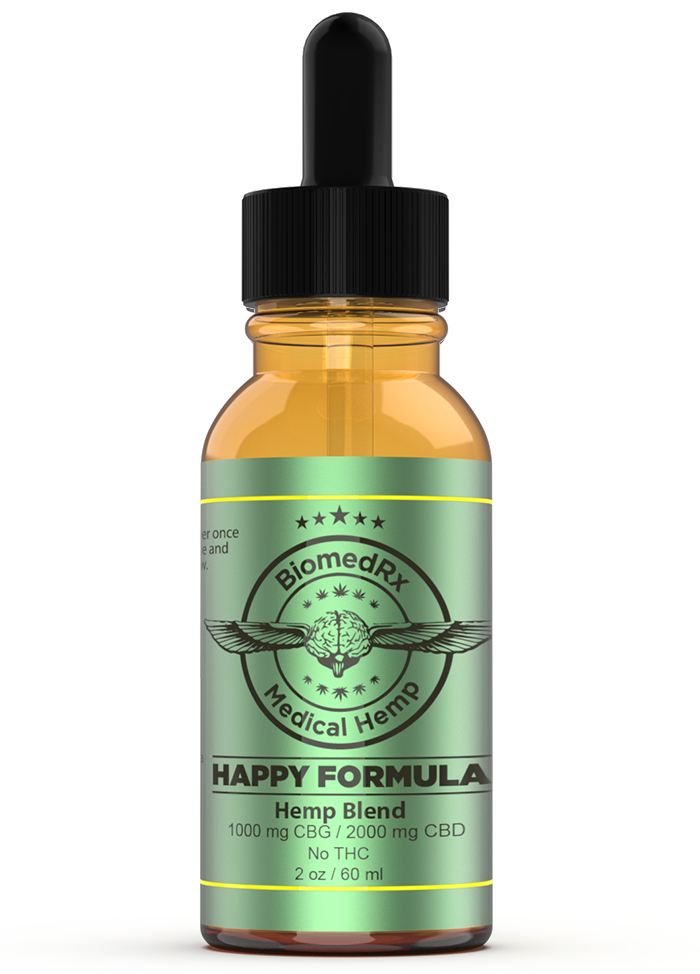
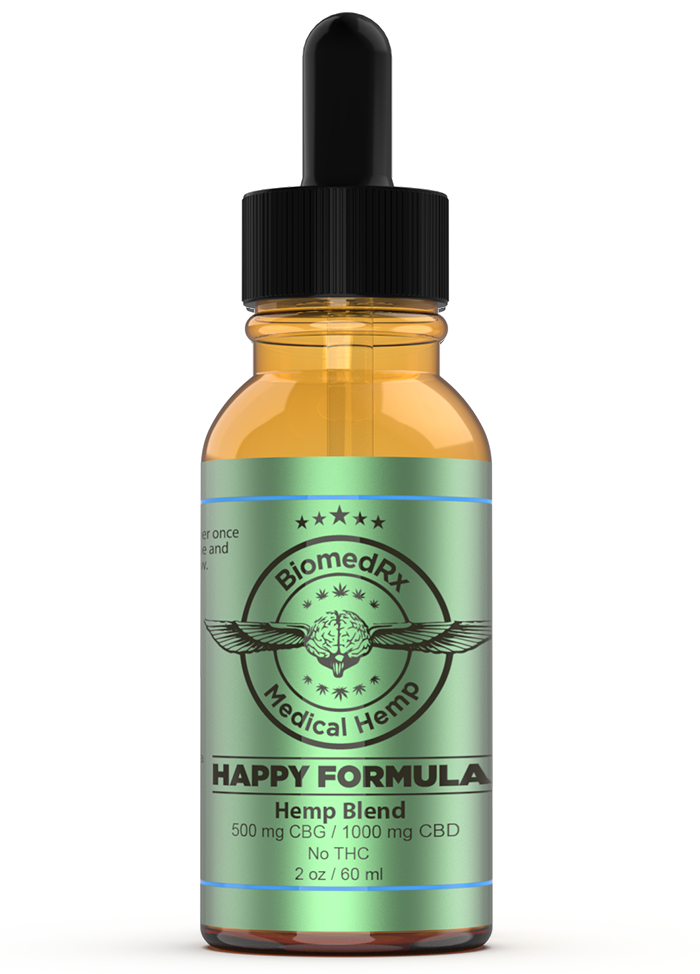
Our Gold Label CBD oil comes in Isolate and Broad-Spectrum strengths from 1,000 to 10,000mg — locally grown from organic hemp, CO2 extracted, and third-party tested. Also featuring Happy Formula CBG blends with CBDV and supporting terpenes.

Quality you can trace, from the field to the bottle.
Grown from organic, non-GMO, glyphosate-free hemp — cultivated close to home.
Clean CO2 extraction preserves cannabinoids without harsh solvents or residue.
Every batch is independently lab tested and homogenized for consistent potency.
Choose THC-free isolate or a broad-spectrum profile in 1,000 to 10,000mg strengths.
CBG paired with CBD, CBDV, and supporting terpenes for a full cannabinoid entourage.
Homogenized, gluten-free, and non-GMO — a formula you can feel good about.
Gold Label CBD oil and Happy Formula CBG blends — third-party tested, 2 ounce bottles.
Our highest-potency Isolate and Broad-Spectrum oil. 2 ounce bottle.

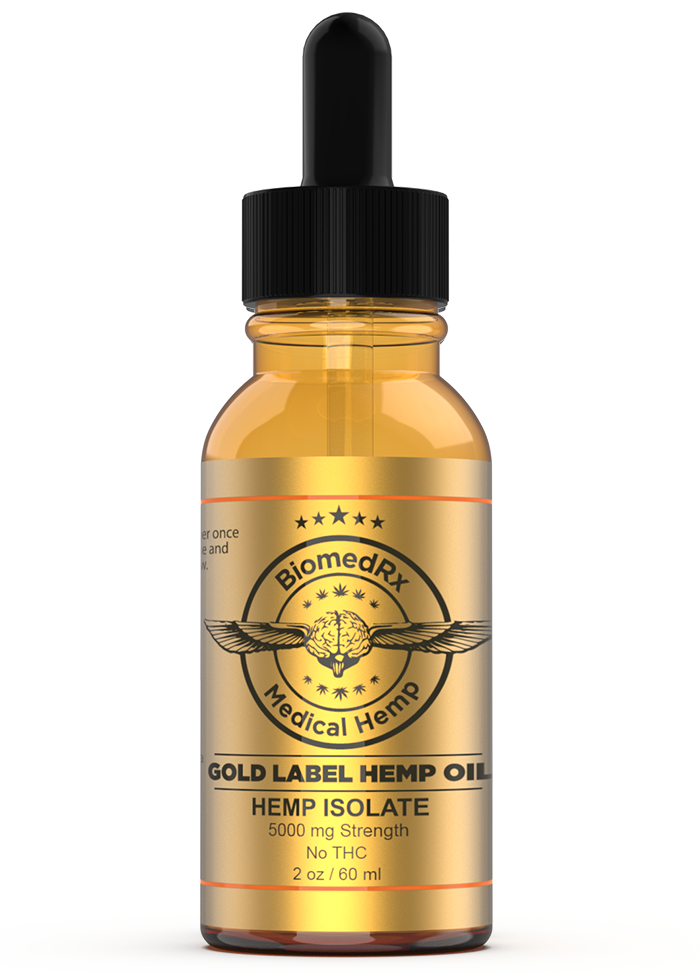
A robust everyday potency for experienced users. 2 ounce bottle.

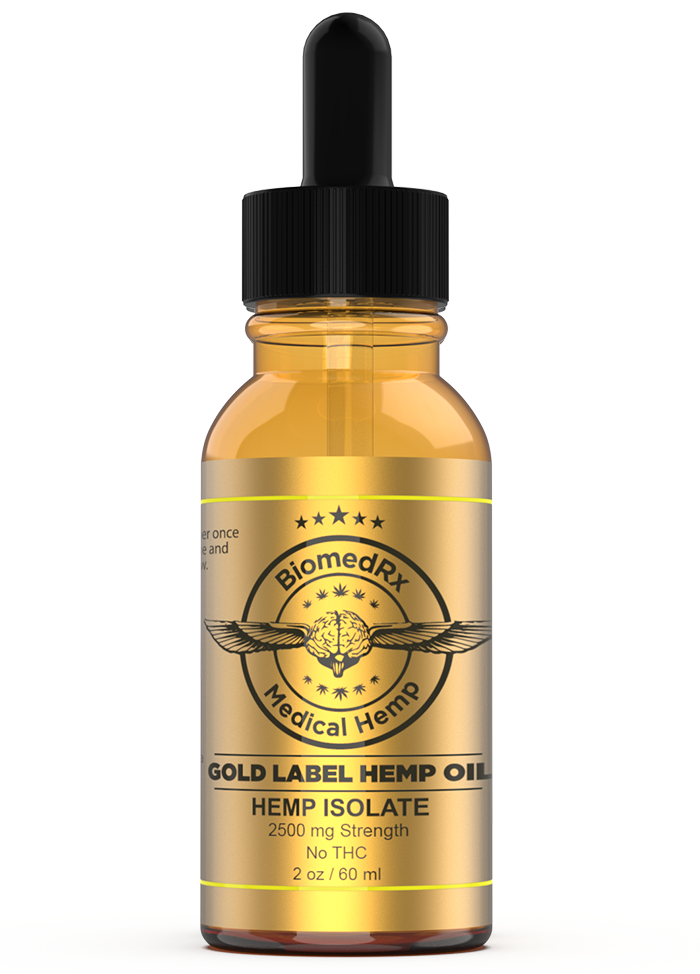
A balanced middle strength for daily wellness. 2 ounce bottle.

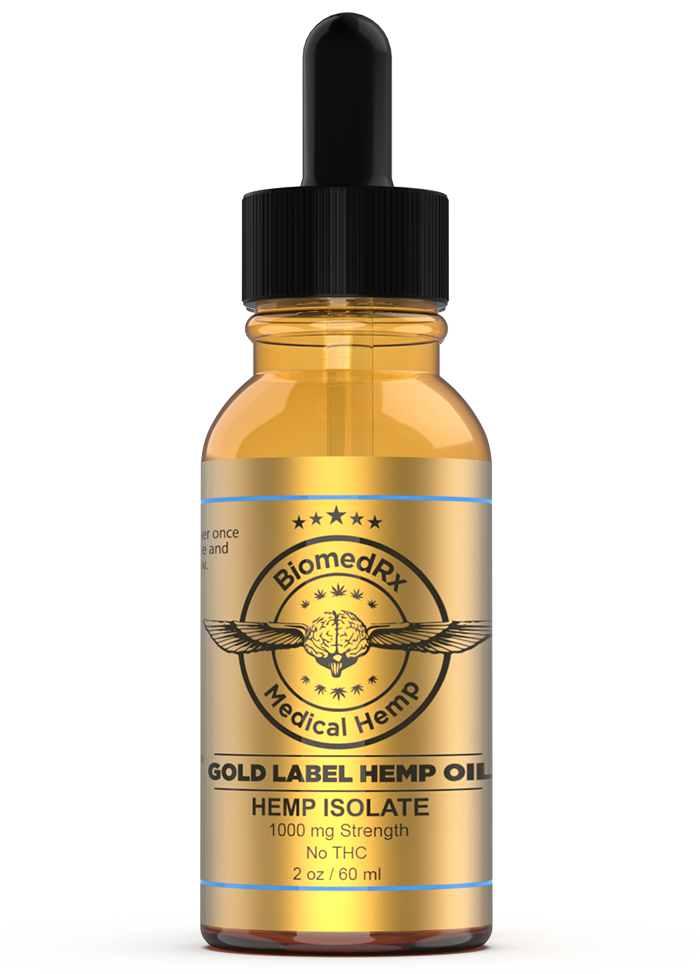
A gentle introduction for first-time CBD users. 2 ounce bottle.

Our strongest CBG/CBD/CBDV blend with supporting terpenes.

A balanced CBG/CBD/CBDV blend for everyday balance.
Lab reports, cannabinoid education, and hemp field notes.
The rules that define legal hemp are shifting. In November 2025, the Continuing Appropriations Act, 2026 (P.L. 119-37) rewrote the federal definition of hemp, and its hemp provisions (Section 781) are scheduled to take effect on November 12, 2026. According to a Congressional Research Service analysis, the change moves away from measuring only delta-9 THC on a dry-weight basis and toward a "total THC" concept, while also capping finished consumable products at no more than 0.4 milligrams of total THC per container.
In practical terms, that is a much stricter ceiling than the prior 0.3% delta-9 dry-weight threshold from the 2018 Farm Bill, and it is designed to sweep in intoxicating cannabinoids such as delta-8 that had grown from a regulatory gap. The law carves out genuine industrial hemp grown for fiber, grain, and non-cannabinoid seed derivatives. Several bills, including proposals to strike Section 781 or replace it with a regulated framework, are still moving through Congress, so the details could change before the effective date.
What does this mean for you as a shopper? Expect labels, formulations, and available products to keep evolving over the coming year, and lean harder than ever on batch-matched third-party lab reports. None of this is legal advice, and separate from any of these debates, the FDA has consistently held that CBD is not an approved food additive or dietary ingredient. These statements have not been evaluated by the Food and Drug Administration. These products are not intended to diagnose, treat, cure, or prevent any disease. Talk with your healthcare provider before using any cannabinoid product.
Sources: Congress.gov (CRS); Congress.gov (CRS); FDA
A certificate of analysis (COA) is the most reliable tool a shopper has, and the standards behind it are tightening. USDA laboratory testing guidelines for the domestic hemp program require labs to validate their methods and to estimate and report measurement uncertainty alongside THC results, because so much rides on the legal threshold. After December 31, 2024, labs performing official THC testing must also be registered with the DEA to handle controlled substances.
When you open a COA, check that the batch number matches your product, that it reports total cannabinoids, and that it screens for pesticides, residual solvents, and heavy metals. As the federal standard moves toward a "total THC" measure in late 2026, expect reports to foreground total THC rather than delta-9 alone. Many reputable labs hold ISO/IEC 17025 accreditation, an international benchmark for technical competence and impartiality that makes results more widely trusted.
A COA cannot promise a health outcome. The National Center for Complementary and Integrative Health notes that independent testing has repeatedly found CBD products whose actual content differs from the label, which is exactly why the paperwork matters. This is general information, not medical or legal advice. These statements have not been evaluated by the Food and Drug Administration. These products are not intended to diagnose, treat, cure, or prevent any disease.
This month we did an unglamorous but important job: a top-to-bottom audit of the words we use to describe our products. The prompt was a reminder of how seriously regulators treat advertising. The FTC has continued health-marketing enforcement into 2026, and its long-standing guidance is blunt — claims that a CBD product treats or prevents a disease, or delivers drug-like benefits, need rigorous human clinical evidence behind them. If a company cannot muster that proof, it simply should not make those claims.
So we went line by line. We cut anything that implied our extracts could cure, treat, or prevent a condition, tightened our serving-size language, and made sure every product page links to its batch-matched lab report. Meanwhile, the FDA has scheduled a 2026 public meeting on the scope of dietary supplement ingredients under DSHEA, a sign that the ground rules for supplements are being actively re-examined — all the more reason to describe products honestly and modestly.
We would rather under-promise and keep your trust than borrow language the science does not support. Nothing here is medical advice. These statements have not been evaluated by the Food and Drug Administration. These products are not intended to diagnose, treat, cure, or prevent any disease. Please consult your healthcare provider before adding any cannabinoid or supplement to your routine, especially if you take other medications.
Questions about strengths, formulas, or lab results? Reach out for pricing and ordering. Based in Upland, California.
Where federal hemp policy stands this year.
The regulatory landscape for hemp shifted in late 2025: the Continuing Appropriations and Extensions Act of 2026 narrowed the federal definition of “hemp,” and the change is set to take effect on November 12, 2026, tightening limits on hemp-derived THC and reshaping which consumable products remain federally permissible.
The FDA still does not approve or evaluate over-the-counter CBD products for safety or efficacy, so CBD Hemp Stock encourages readers to review third-party lab results (Certificates of Analysis) and check their own state and local rules, which continue to vary widely.
Download our free illustrated guide — practical, current, and written for 2026.
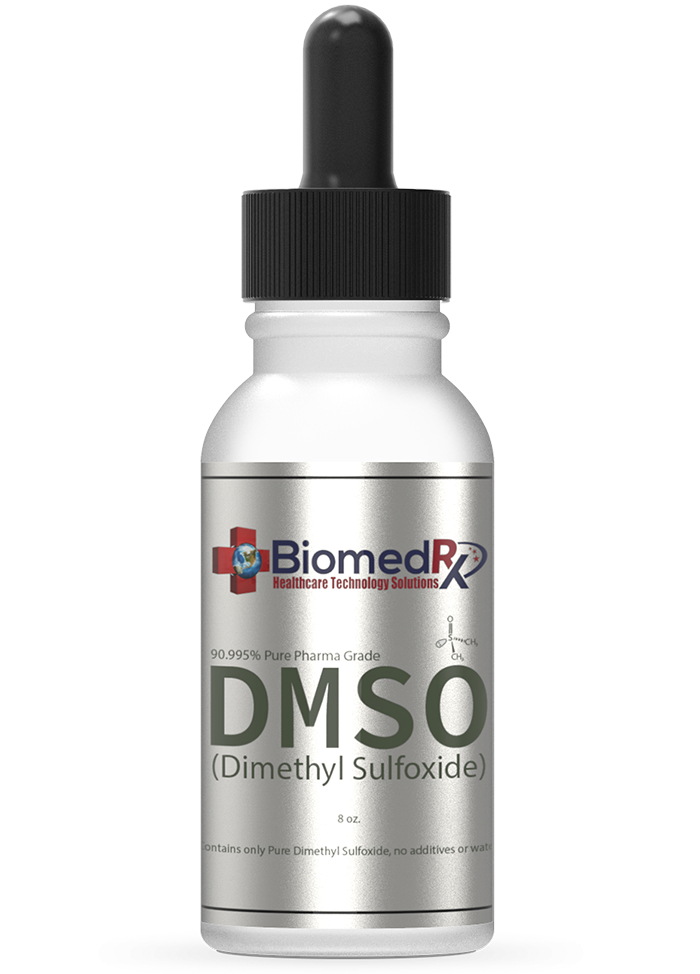
Isolate and broad-spectrum CBD oil from 1,000–10,000 mg, CBG terpene blends, and pure DMSO. Tap Order to purchase — we’ll confirm by email.
We combine real expertise with genuine care — and we make it easy to say yes. Here is what you can expect when you work with CBD Hemp Stock.

Lab-tested products with transparent labels — you always know exactly what you are getting.
Straight answers about isolate, broad-spectrum, and full-spectrum so you choose with confidence.
Simple ordering and responsive support — real people, quick replies.
Consistent formulas and honest pricing from a brand that stands behind every bottle.

Devin Lockett is the founder and entrepreneur behind this venture and the wider BiomedRx family of companies—spanning healthcare technology, wellness, media, and community initiatives. He builds brands focused on quality, service, and independent ownership.
More from Devin Lockett: devinlockett.com · devinlockett.tv · devinlockett.ai · 424-204-2382
As an Amazon Associate we earn from qualifying purchases. Prices and availability are subject to change.